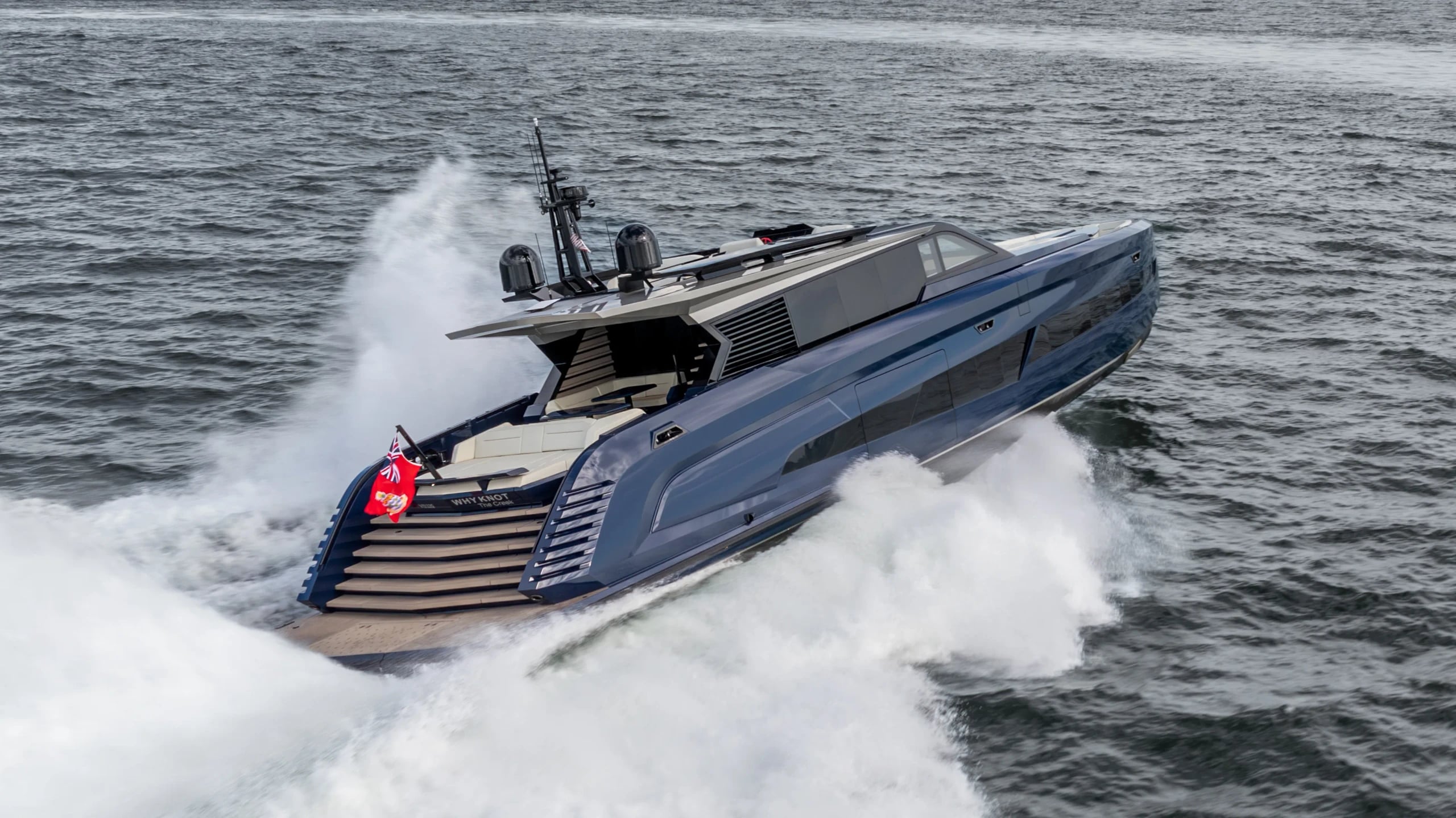
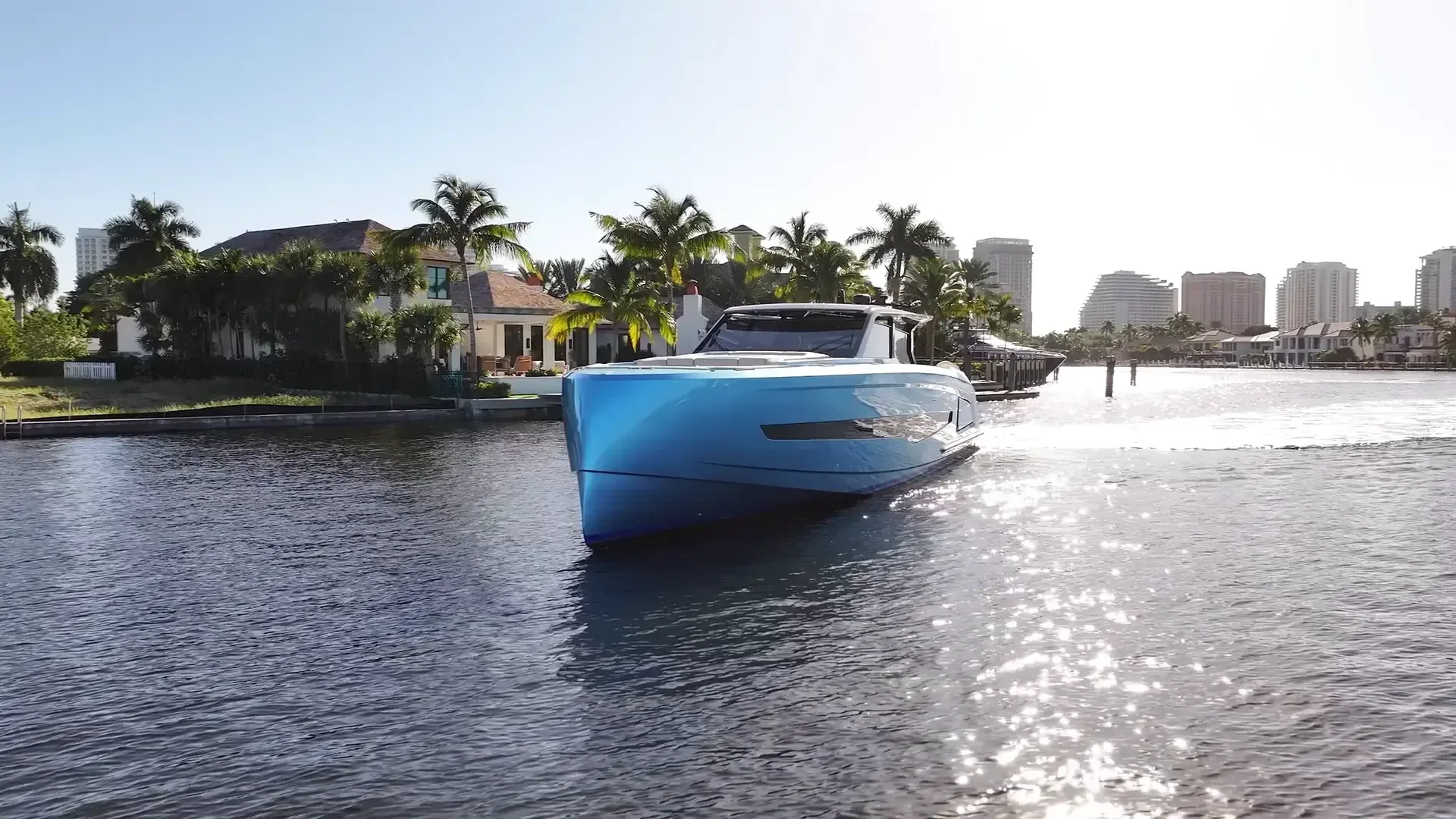
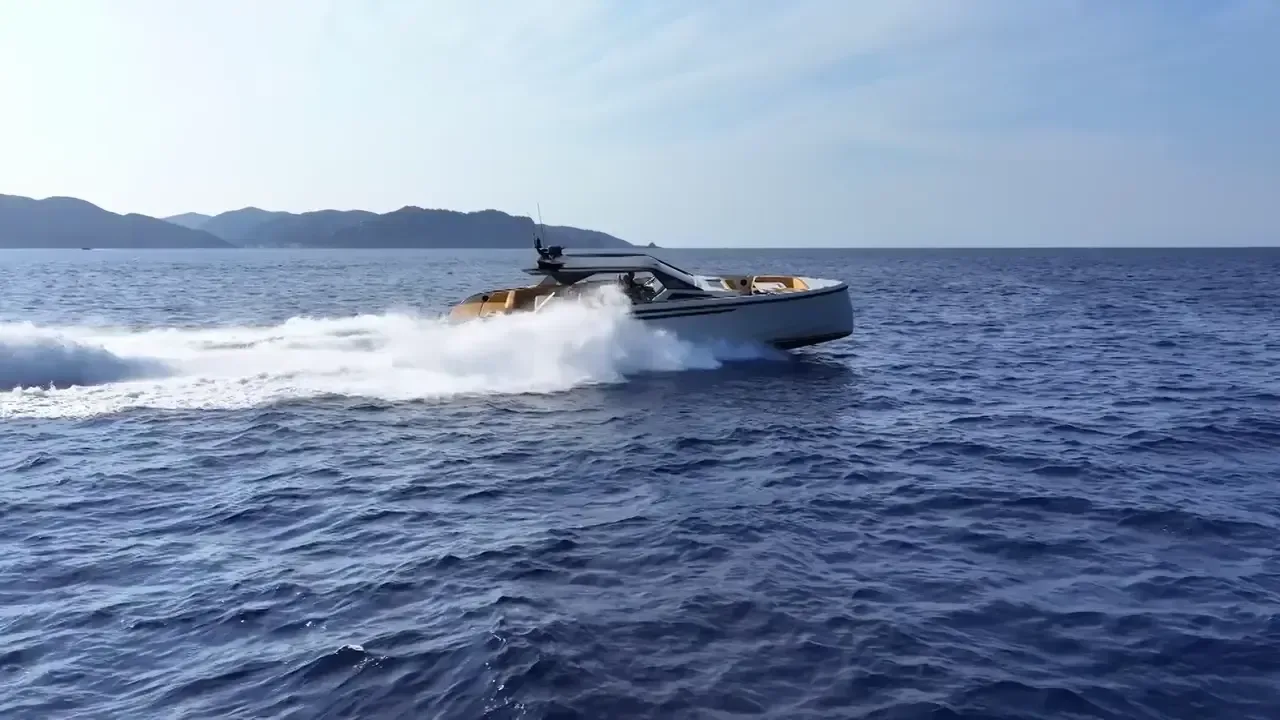
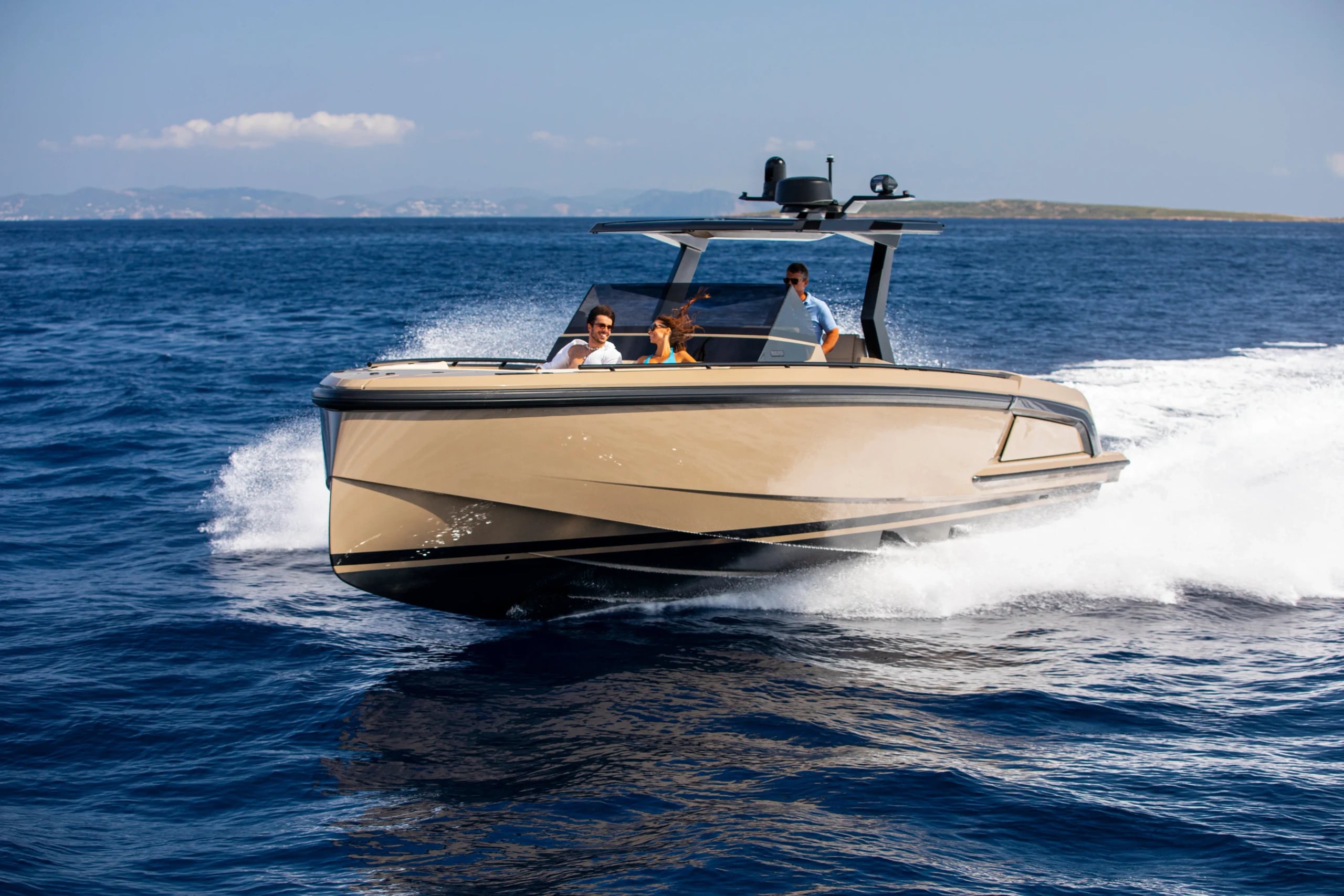
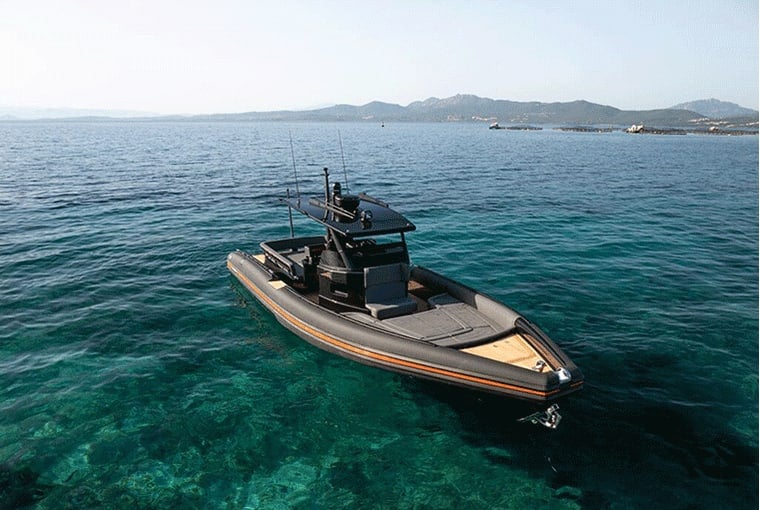
A chase boat is a separate hull that follows the yacht under its own power, with its own fuel and crew. Whether you need one at all, and how it differs from a tender or a support vessel, is settled in chase boats explained; the demand data and the 2026 market are in why every 50m-plus superyacht now wants a chase boat. This guide assumes that decision is made and answers the next one: which boat. For the full fleet view see the best superyacht tenders.
How big should a chase boat be?
Size is the first filter, because it sets range, crew accommodation and cost band:
- 8 to 11 m: a large RIB, centre console or sport hull. Day-boat capability, coastal range, usually no overnight accommodation. The crossover with a big sport RIB.
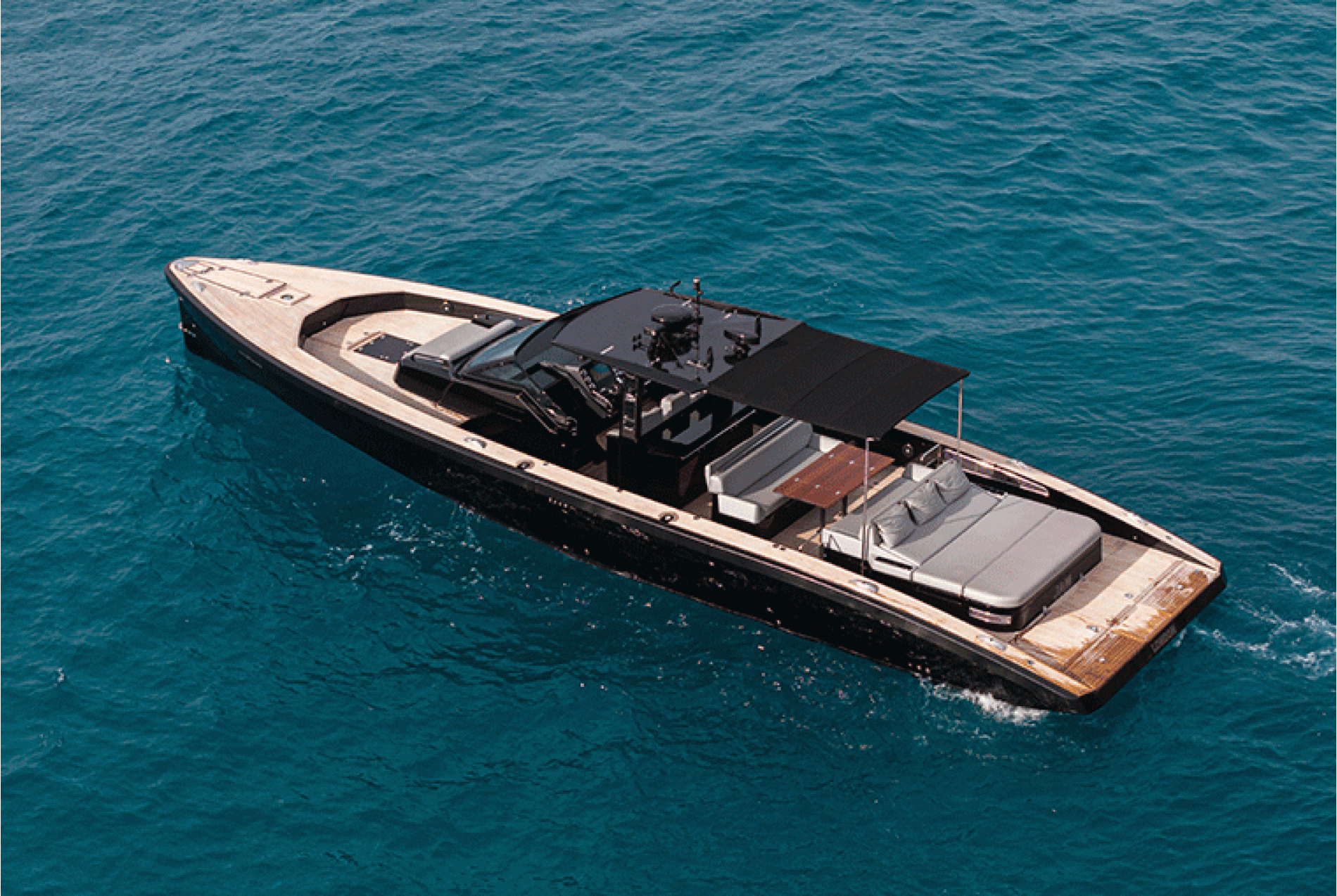
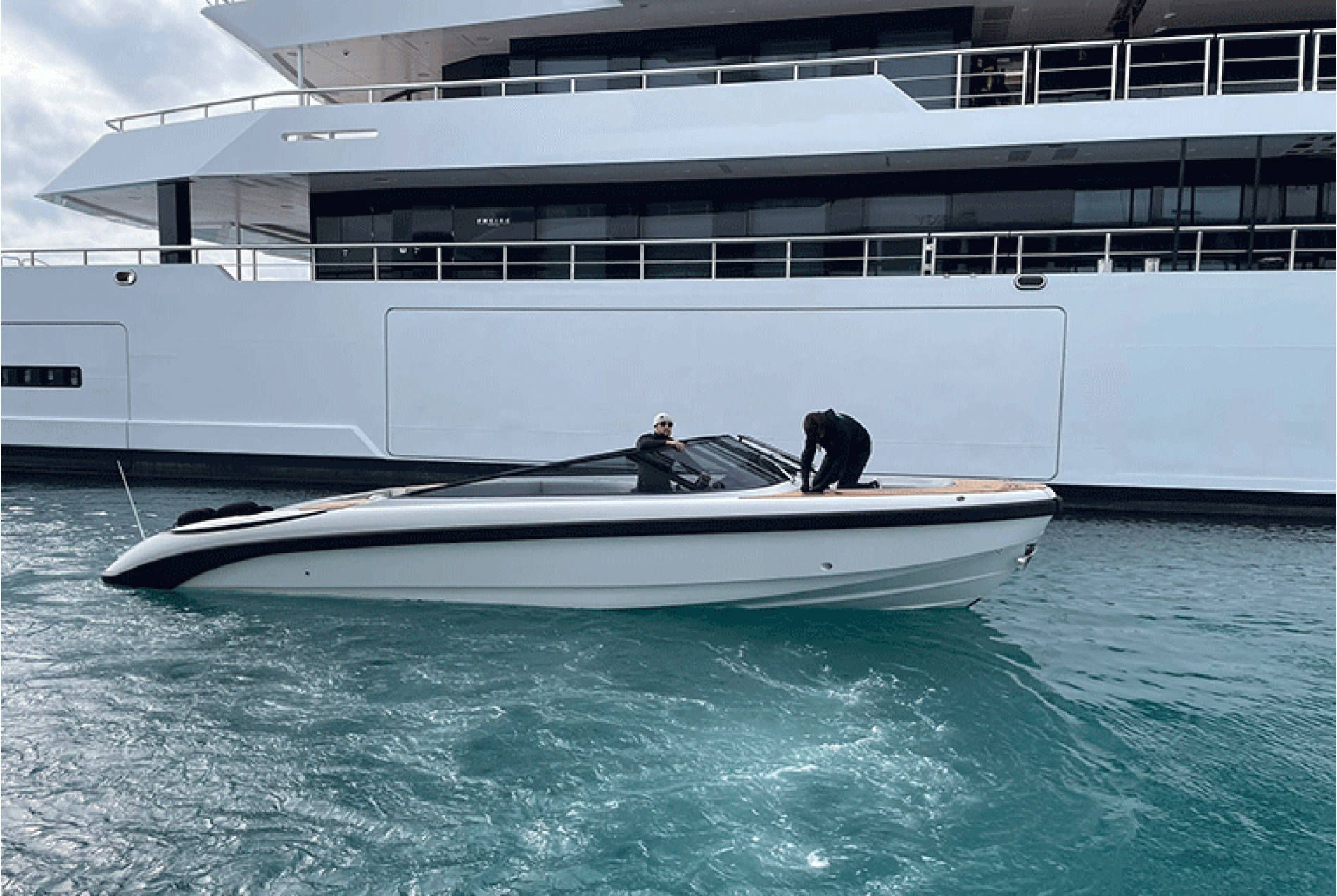
- 11 to 15 m: the typical real chase boat. Roughly 200 nm of useful day range, a cabin and a head, enough deck to carry toys and divers. This is where most superyacht chase briefs land.
- 15 to 20 m: small yachts in their own right, 400 to 600 nm range, proper accommodation and a permanent crew. The upper edge before the brief becomes a support vessel.
What separates a real chase boat
A fast day boat is not a chase boat. The features that make the difference, and that should be on the spec sheet:
- Range at the mothership's transit speed. A chase boat that cannot hold 12 to 16 knots comfortably with usable fuel left is a problem in slow motion. Range at transit speed, not brochure top speed, is the number that matters.
- Sea-state ceiling. The boat has to keep station in the conditions the yacht actually cruises, not just a flat delivery day.
- Accommodation and stores. A cabin, a head, sometimes a galley, plus toy and dive storage, so it can operate a full day independently.
- Crew provision. Somewhere for the operator to work and rest if the boat runs ahead of or apart from the yacht.
The builders we shortlist
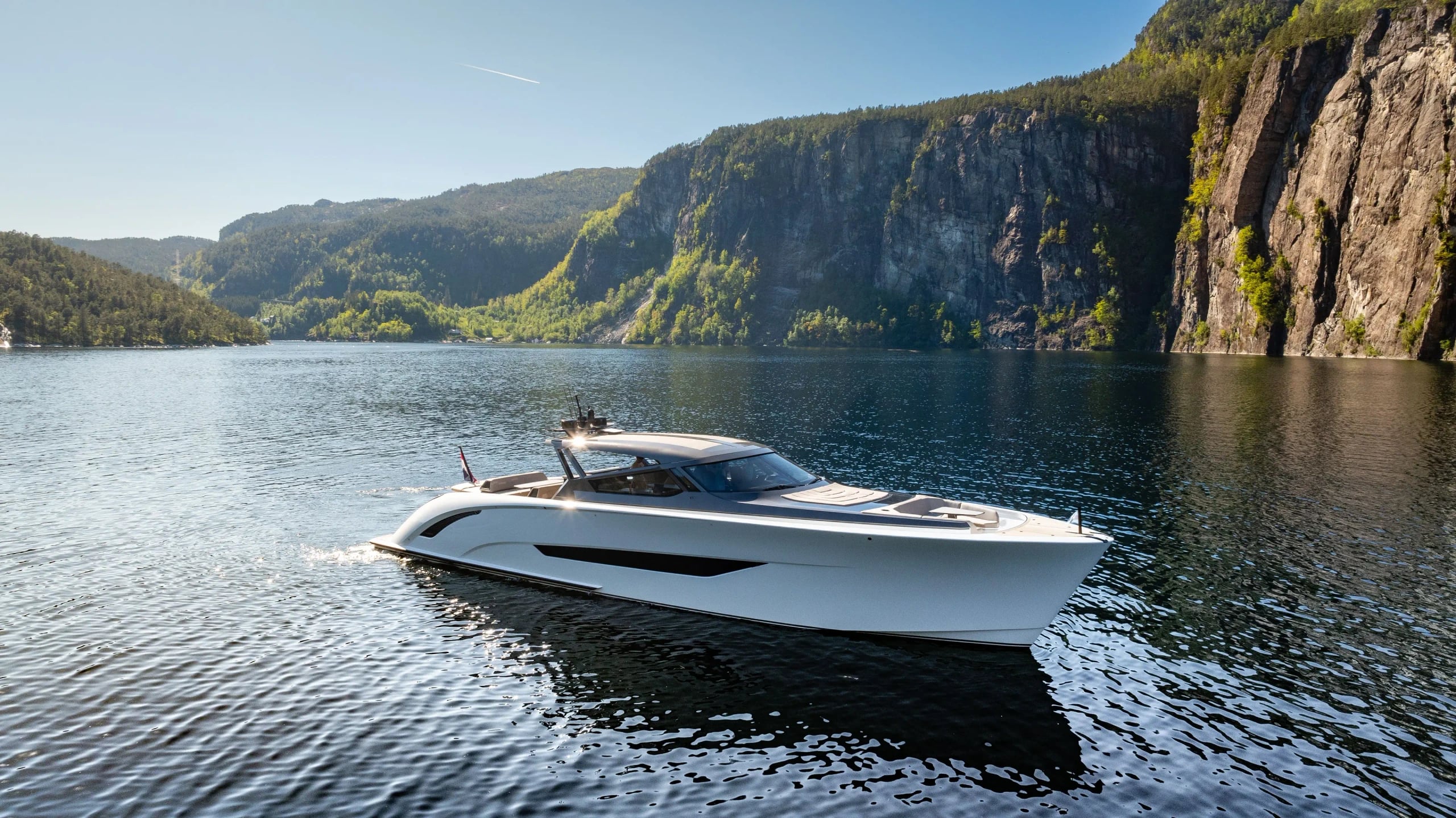
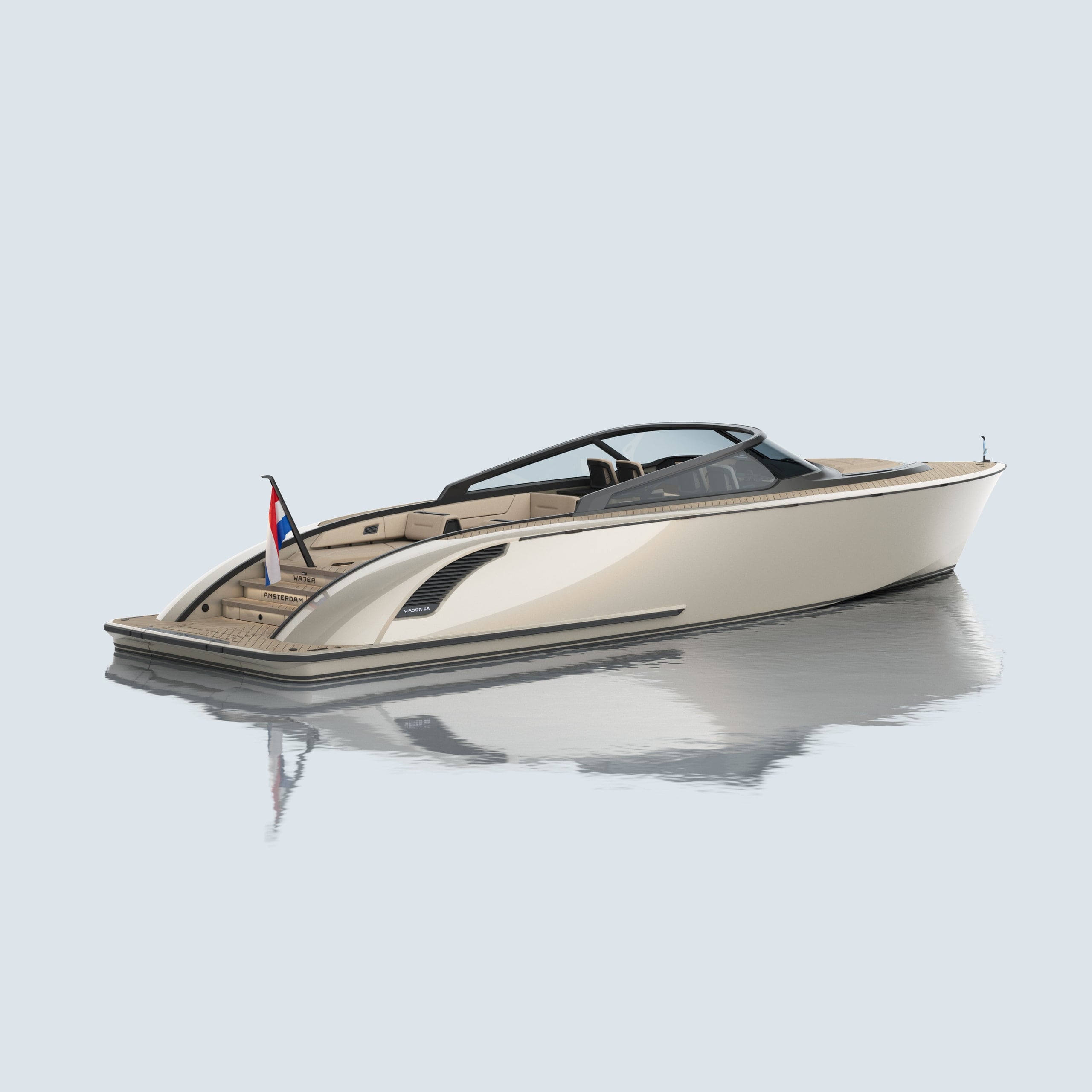
- Wajer, the 38, 55 and 77 range covers the band from compact day-chase to mid hardtop; with Wally it is the reference for the modern day-chase aesthetic.
- Wally, the Wally Tender pioneered the look that defines the category; the Wally 43 is published around 13.2 m with roughly 880 hp, a walk-in shower and an expandable swim platform, per Superyacht Tenders & Toys.
- Vanquish, strong in the 12 to 16 m sport-hardtop band; the VQ45 is published at 13.6 m LOA, 16 guests, an overnight cabin and 800 L fuel, with engine options from twin IPS (up to 40 knots) to quad 600 hp Verado V12 (60-plus knots), per Vanquish.
- Pascoe, the bespoke build philosophy translates well to the larger chase hulls.
- Axopar (22, 25, 29) for a capable, known-brand day-chase platform, and Anvera at the performance end (the Anvera 48 is published at 14.5 m LOA, 5.51 m beam).
- Sunseeker and Brabus, credible for owners who want a known performance marque with dealer support.
Outside the linked register, Protector (NZ; Targa and Chase lines from roughly 7.5 m to 12.5 m, the 11.5 m Targa 380 cruising 30-plus knots and topping near 50 by package, per Megayacht News), Vandal Marine (the Vandal 60 Chase, 40 knots top, 30 cruise, per Megayacht News) and ROAM (the ROAM 12, twin Volvo Penta D6 440 hp, 14 guests) are all routinely on a serious shortlist.
Reference specifications
| Spec | Vanquish VQ45 | Wally 43 | Anvera 48 |
|---|---|---|---|
| LOA | 13.6 m | ~13.2 m | 14.5 m |
| Beam | ~4.1 m | Not published | 5.51 m |
| Guests | 16 | Not published | Not published |
| Berths | 1 cabin (2) | Not published | Not published |
| Fuel | 800 L | Not published | Not published |
| Power | Twin IPS to quad 600 hp V12 | ~880 hp | Not published |
| Top speed | 40 to 60-plus kn by package | Not published | Not published |
Sources: Vanquish VQ45 and Superyacht Tenders & Toys. Where a builder does not publish a figure we leave it blank rather than estimate; chase boats are configured per programme and most specs are quote-only.
On our register, with live specs:
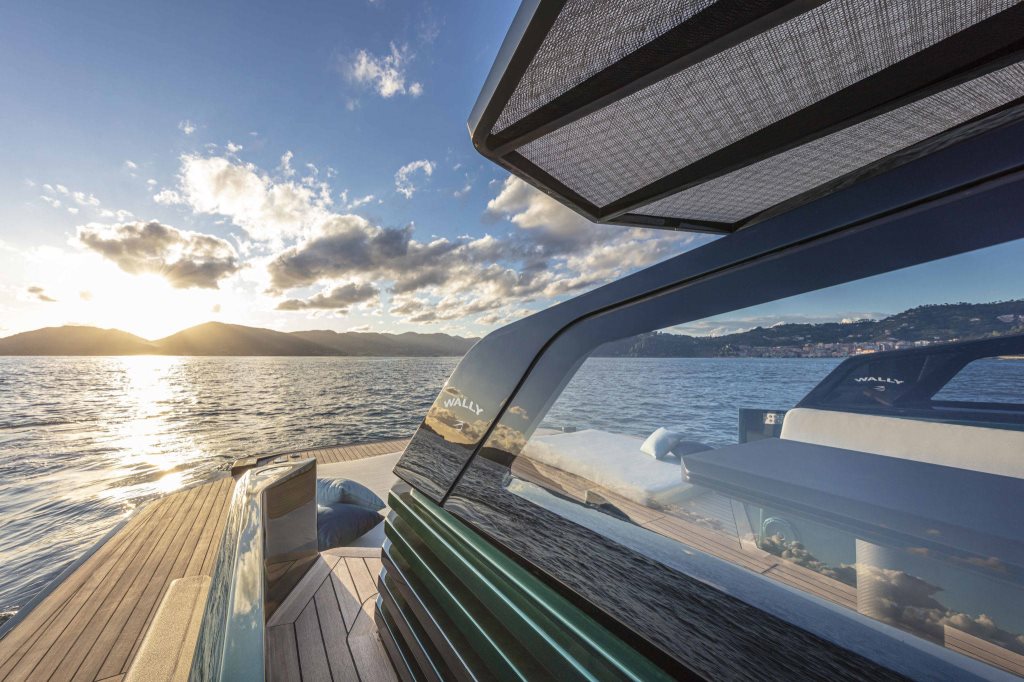 Wally · On the registerWally 43LOA13.2mBeam4.30mTop Speed40knPrices on requestView on Superyacht Tenders →
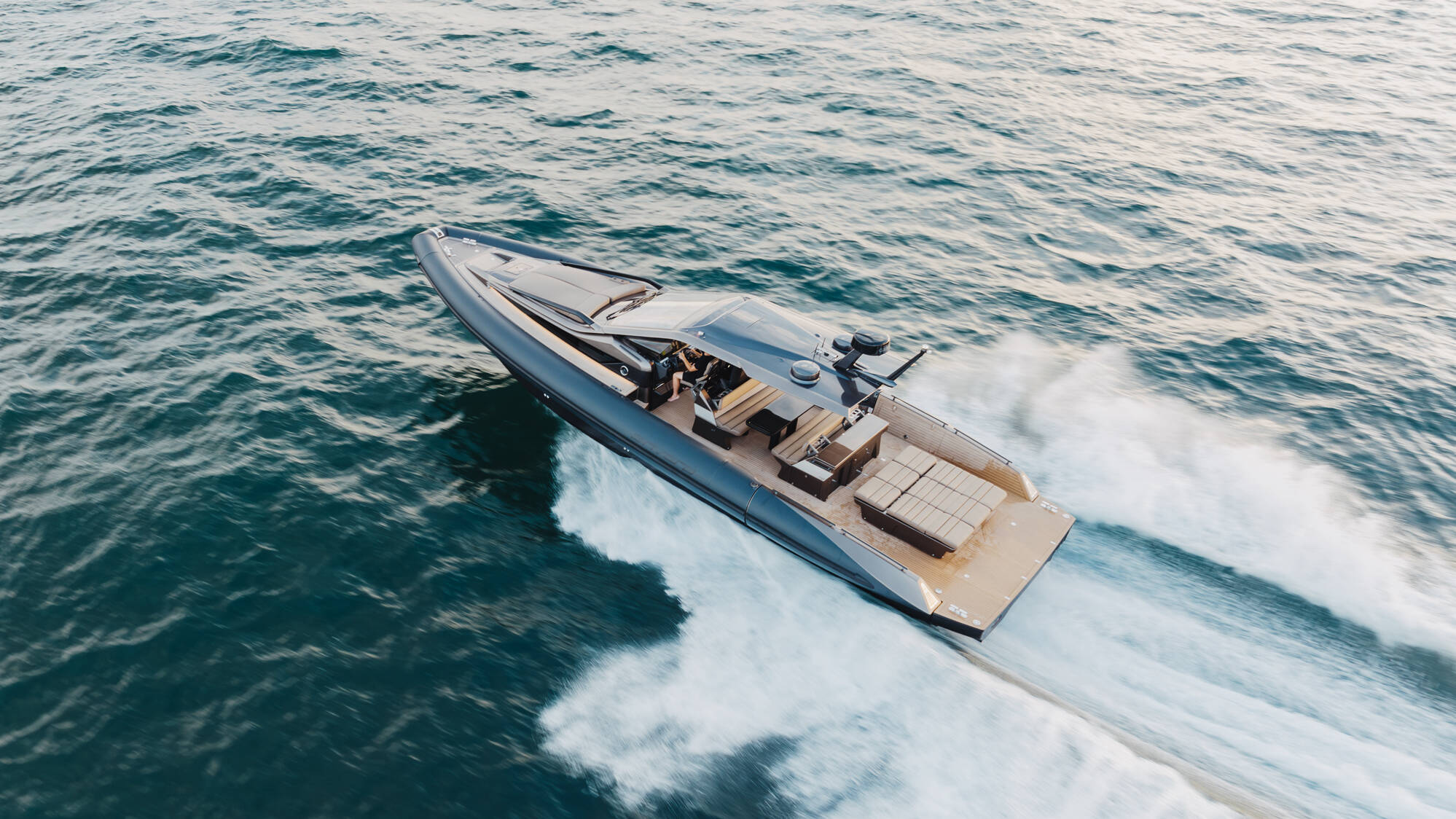 Anvera · On the registerAnvera 48 SLOA14.5mBeam4.91mTop Speed50knPrices on requestView on Superyacht Tenders →
Use-case fit
- Watersports and dive support: deck space, a dive door, toy storage; range matters less than platform stability.
- Sport-fishing: cockpit, outriggers, fuel for a long run offshore and back.
- Guest day-boat and shuttling: a comfortable cabin and a dry ride, closer to a fast open tender brief.
- A-to-B transit and provisioning ahead of the yacht: range and sea-state ceiling are everything.
Force one primary use case before shortlisting; a boat optimised for fishing is not the one optimised for guest comfort.
Crewing and certification
The chase boat carries an operating cost the tender does not: usually a dedicated operator or a small crew, fuel and berthing of its own, and, where there is charter income, commercial certification with properly ticketed crew. Factor the second crew into the decision, not just the capital number. See tender crew training and licensing.
How to choose
Confirm the need in chase boats explained, fix the primary mission and the mothership's transit speed, then shortlist three or four of the builders above by size band and put them in a side-by-side comparison on cruise speed at half load, range at transit speed and sea-state ceiling, not brochure top speed. We will say plainly if the brief has tipped into support-vessel territory instead. Tell us the mothership and the mission and the shortlist follows.