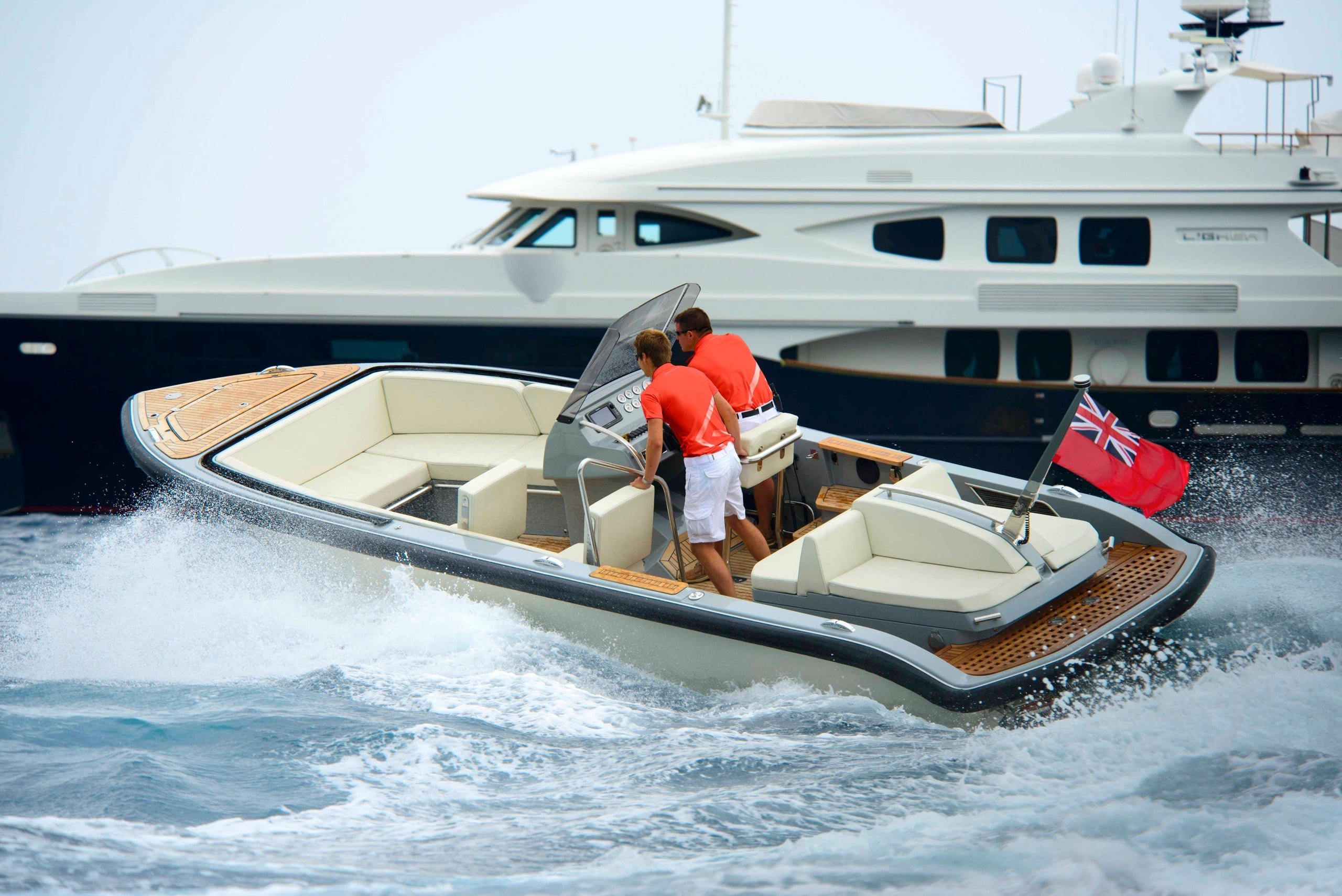
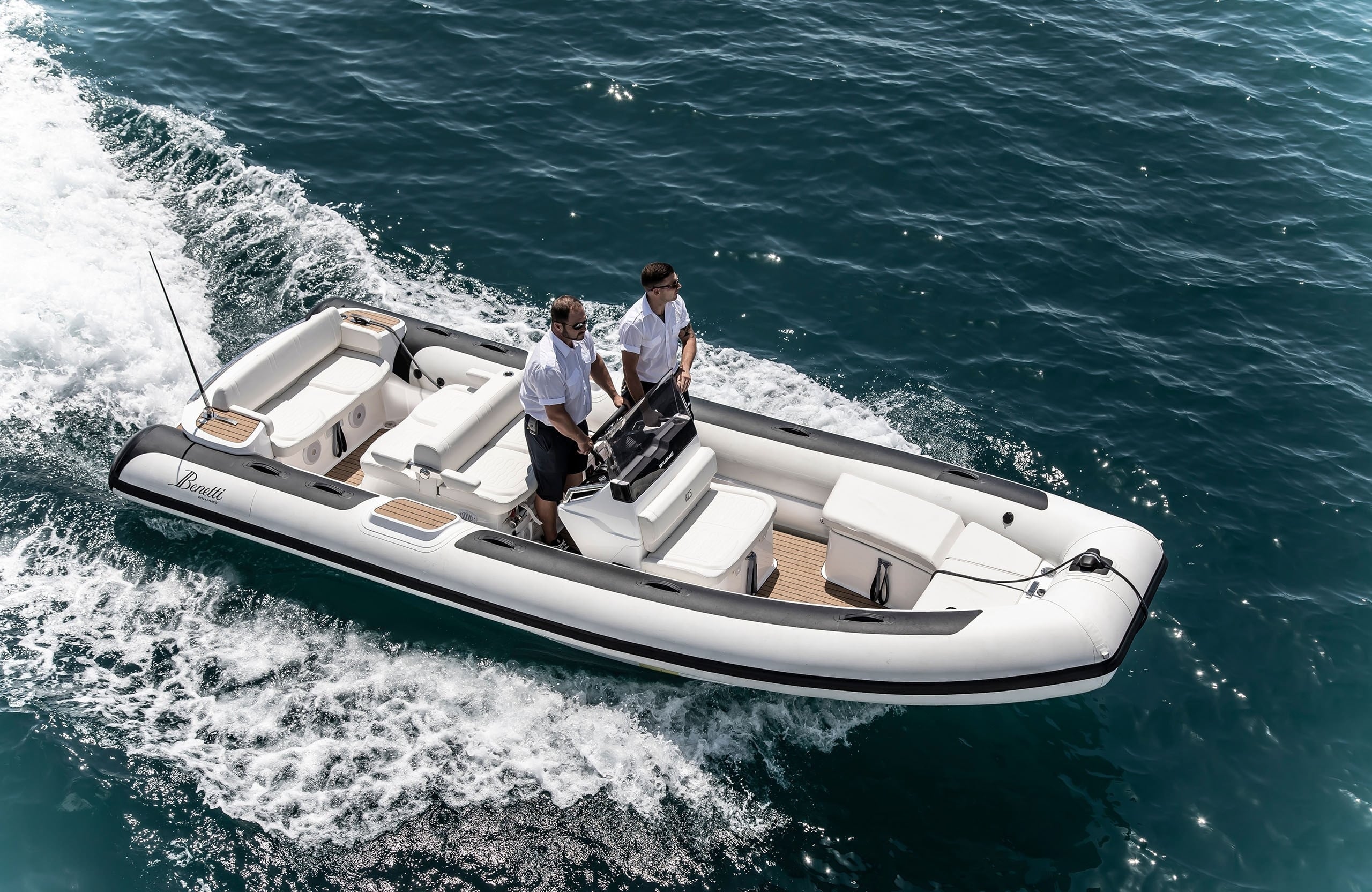
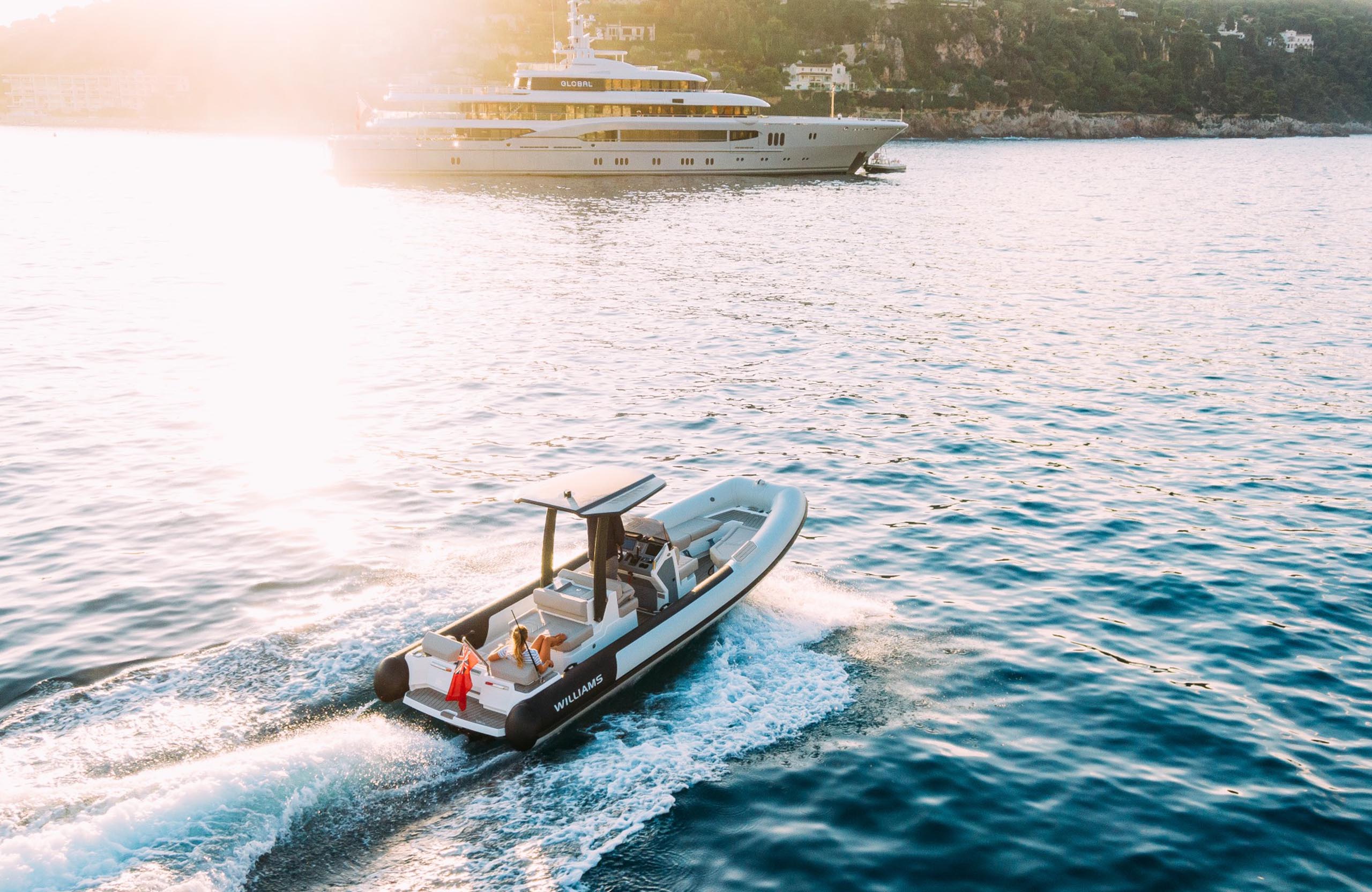
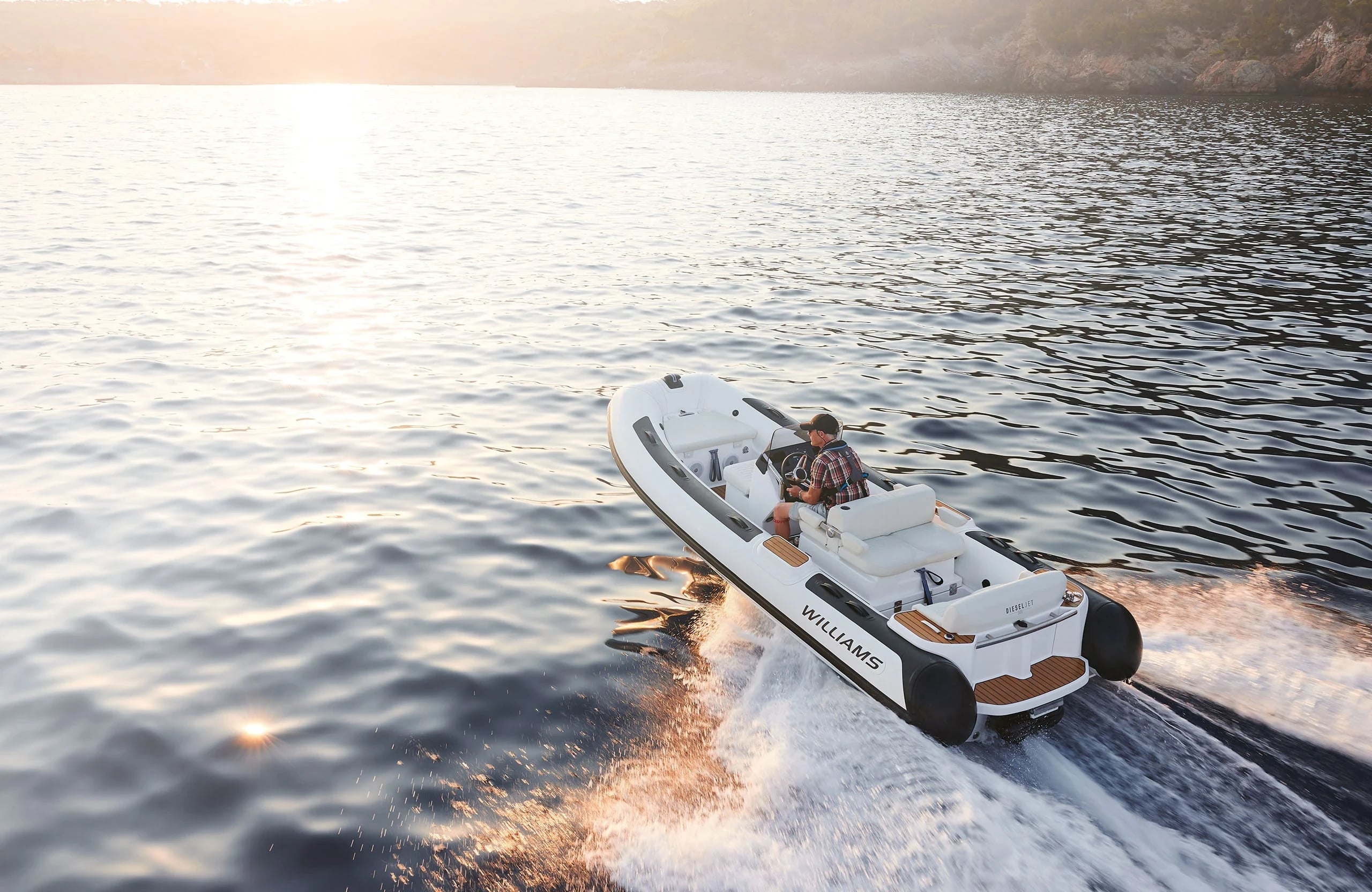
Most tender purchases go wrong in the brief, not in the build. By the time the spec lands with a yard, the owner has usually already been talked into a hull length the garage cannot accept, an engine package the budget cannot carry, or a finish that will not survive its first season in salt. This guide walks through the buying process the way we actually run it for clients: brief first, garage envelope second, propulsion and configuration third, yard shortlist fourth, contract fifth. It is not a marketing brochure for any one builder.
If you have already read the tenders pillar and the how to choose a superyacht tender page, this is the longer end-to-end version covering the months from initial conversation to commissioning.
Tender types, and how big, in 60 seconds
Before the process, the two questions every buyer asks first. The types you are choosing between:
| Type | What it is | Who it suits |
|---|---|---|
| Limousine | Enclosed, climate-controlled | Formal all-weather guest transfer |
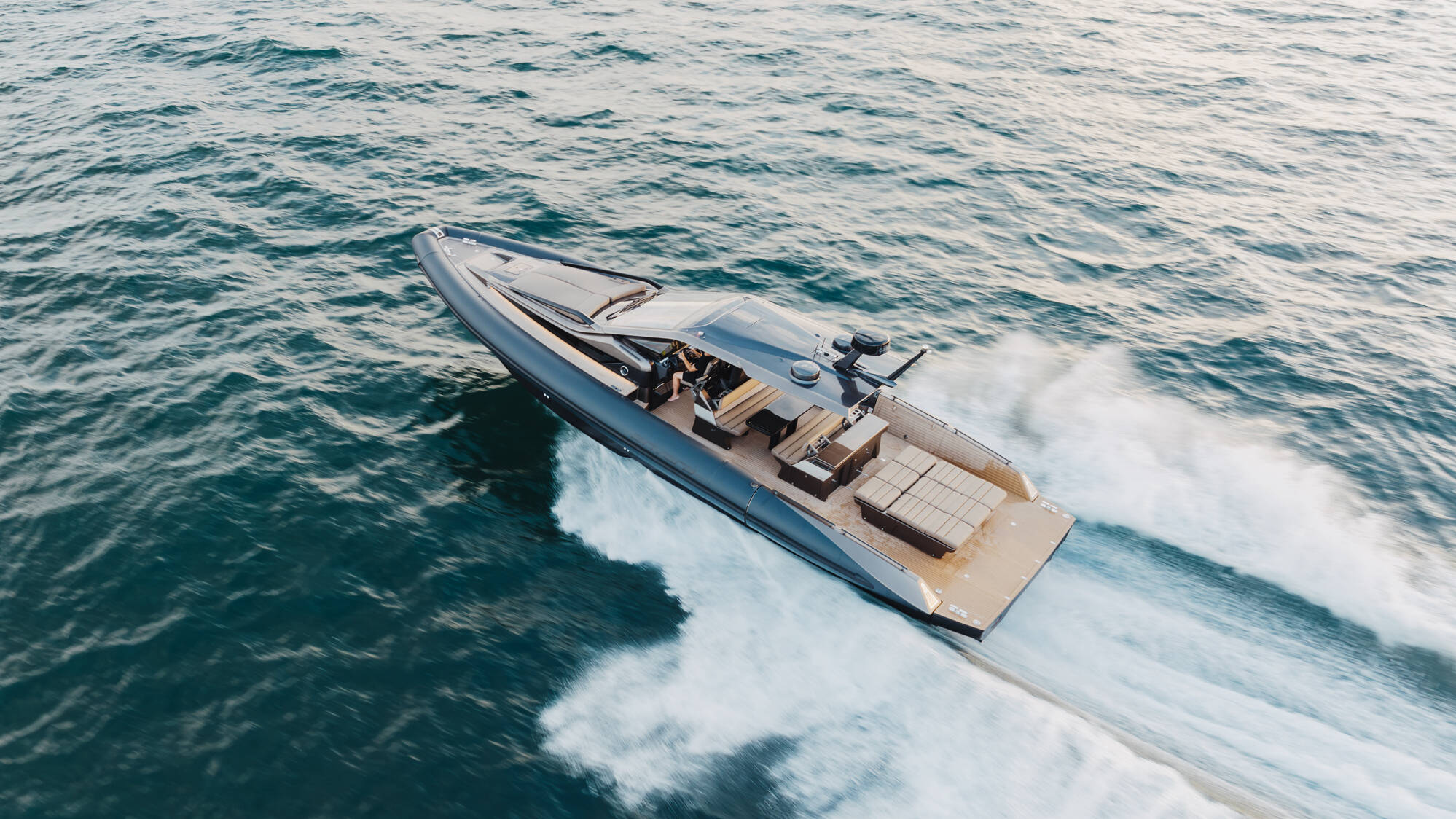
| Open / sport | Uncovered day boat | Short hops, second helm |
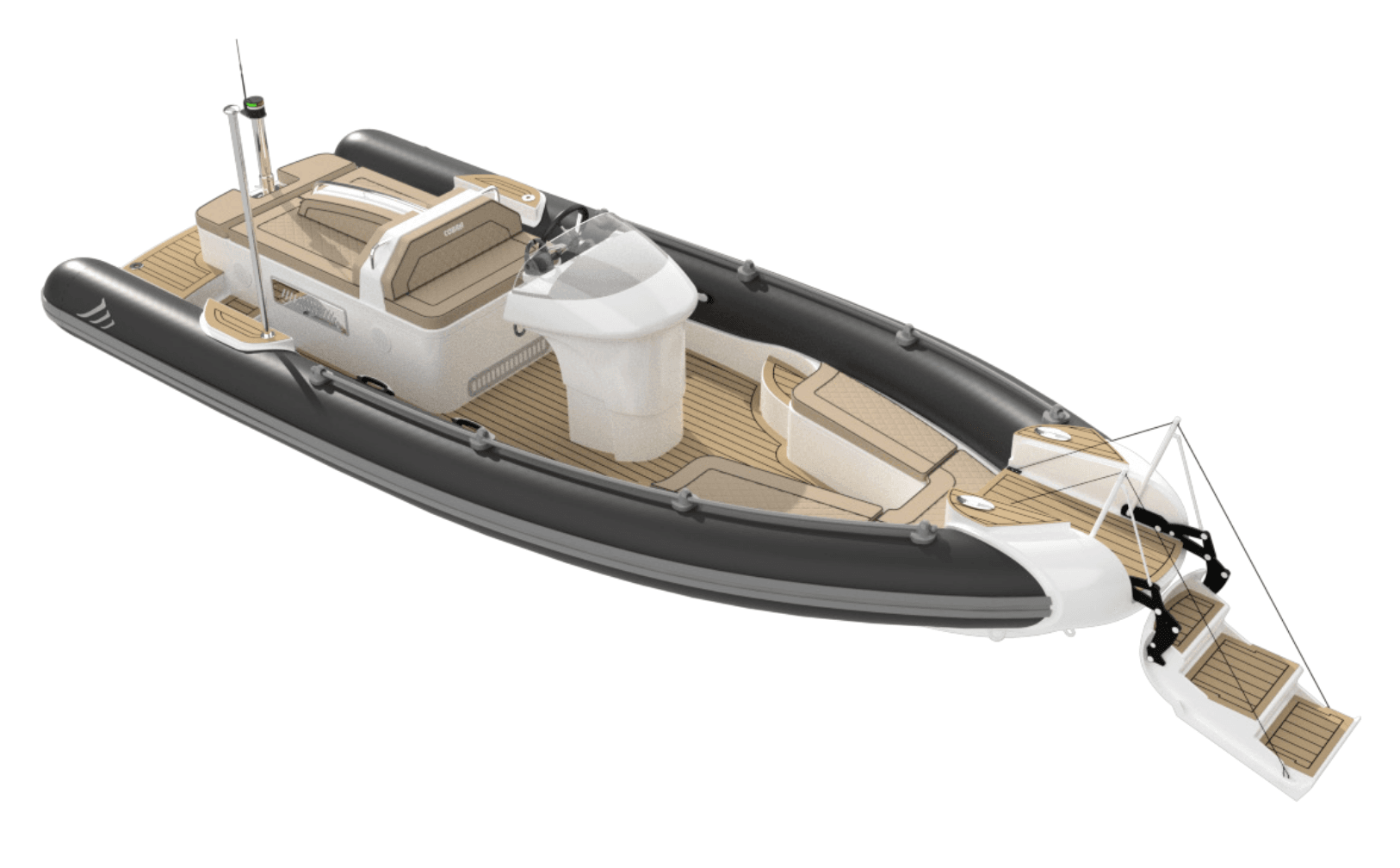
| RIB | Rigid hull, inflatable collar | The versatile workhorse |
| Chase boat | Separate fast hull | Missions and range beyond the garage |
| Beach lander | Bow-ramp, shallow draft | Dry beach landings |
| SOLAS rescue | Coded life-saving craft | Mandatory above 500 GT commercial |
And how big, as indicative industry guidance (the garage volume, not the yacht length, is the real constraint), per YachtBuyer:
| Yacht LOA | Typical garage tender | Capacity |
|---|---|---|
| 20 to 25 m | ~3.7 m | 5 to 6 m carries 8 to 10 |
| 25 to 30 m | ~4.7 m | |
| 30 to 40 m | ~5.8 m (deck up to ~8 m) | 7 to 8 m carries 12 to 14 |
One trigger to flag up front: a yacht whose internal volume exceeds 500 GT and operates commercially must carry a SOLAS-compliant rescue tender, per BOAT International; that decision shapes the rest of the fleet, see SOLAS tender compliance.
Step 1: write the operational brief before you look at boats
The single most useful document in any tender purchase is a one-page operational brief that no boat is mentioned in. We work through the following questions with the owner and captain together:
- What are the three things this tender absolutely has to do? Not five, three.
- How many guests, how often, how far?
- Where does it live? Garage, side door, boat deck, towed, parked ashore?
- What is the worst sea state it will ever launch in?
- Who drives it? Owner, captain, deckhand, charter guest?
- What is the operating life? One season, three seasons, the life of the yacht?
Answer those honestly and the spec writes itself. We have watched owners lose six figures because the brief said "limousine for the Med, also water sports" and the result was neither: too soft for sport, too small a cockpit for hospitality. Force a primary mission. Use the tender vs chase boat page to decide whether you need one platform or two.
Step 2: confirm the garage envelope before you confirm anything else
Tenders are bought to fit garages, not the other way round. Every brief that begins "we want a 9 m tender" needs to be checked against the actual garage drawing within the first week. The numbers that matter:
| Dimension | Why it matters | Typical tolerance |
|---|---|---|
| Hull length on deck | Sets the longest tender that will physically enter | 50 to 100 mm clearance front and back |
| Maximum beam at the rubrail | Sets the widest tender at deck level | 50 mm clearance each side |
| Beam at the gunwale | Driver's actual width including hardware | 50 mm clearance each side |
| Internal garage height | Limits screen, T-top, tower, antenna | 50 to 100 mm vertical clearance |
| Door opening width and height | Sets the launching envelope | Often the binding constraint |
| Cradle SWL | Sets dry weight ceiling | Often more limiting than the davit |
| Door sill height above DWL | Drives the float-out arrangement | Must align with launching system |
For a methodical walk through these constraints, including the difference between a flush garage, a side-door arrangement, and a boat deck cradle, see our tender garage sizing guide.
If the yacht is still in build, get the garage box dimensions from the yard's general arrangement before you call any tender builder. If the yacht exists, send your yard or refit consultant to take a measured drawing rather than relying on the original GA, which is often optimistic by 30 to 50 mm.
Step 3: decide custom, semi-custom, or production
This is the question that decides almost everything else: lead time, price, how much input the owner has, how much risk they carry. We cover the three categories in detail in our custom vs semi-custom vs production tenders guide; the short version:
- Production, broadly the Williams and Castoldi catalogue and most of the Italian RIB builders. Configuration off the shelf, six to twelve weeks, 80,000 to 350,000 euros depending on length.
- Semi-custom, including Pascoe, Wajer, Yachtwerft Meyer and Tenderworks. Twelve to eighteen months, owner picks colour, layout, and engine package within a fixed hull set, 400,000 to 1.2 million euros.
- Full custom, including Hodgdon, Cockwells, Vikal, and a small handful of yards that build hulls to a unique mould for one owner. Eighteen to thirty months, naval architect engaged, 1 million to 3 million euros.
For a 50 to 70 m yacht with a flush garage, a semi-custom limousine is usually the answer. For a 90 m yacht with a beach club and a tender bay sized to a 10.5 m hull, custom is the answer. For a sportfishing chase boat to live on a shadow vessel, production with a yard fitout is often the right answer. There is no universal right answer; there is the answer that matches the brief.
Step 4: get the propulsion choice right
Propulsion is the single biggest driver of long-term operating cost and the single biggest source of regret. The four common choices on a modern superyacht tender:
- Stern drive (Volvo Duoprop, Mercruiser). Strong calm-water performance, good fuel economy, vulnerable lower units in chop. Fine for guest transfers in protected water; underspecified for chase work.
- Outboard (Mercury, Yamaha, Suzuki, Verado). Light, simple, easy to service, packaged in twins or quads up to 600 hp each. Ideal for chase boats and sport tenders. Adds T-top height that can foul a low garage.
- Diesel jet (Yanmar, MAN with Hamilton or Castoldi jet). The default for limousines and most flush-garage tenders, because there is no lower unit to clear and no rudder. Heavier and thirstier than outboards but durable and quiet.
- Electric or hybrid. Covered in detail in electric and hybrid yacht tenders. Range is the limiting factor today; 30 to 50 nm at 20 kn is realistic on the leading platforms.
The right propulsion choice falls out of three numbers: garage height, average run distance, and target top speed. Get those clear before the engine conversation starts.
Step 5: build the yard shortlist
Three or four yards is the right shortlist size. More is unmanageable; fewer puts you at the mercy of one builder's lead time. We narrow on:
- Track record on this yacht size. A yard that builds beautiful 8 m hulls for 50 m motoryachts is not always the right choice for a 12 m chase boat for a 90 m platform. Ask for three reference projects in the relevant size band.
- Current order book. Lead times stretch when a yard wins a fleet order. Confirm the slot before you fall in love with the design.
- Class society relationships. If the tender is SOLAS coded or carried by a coded yacht, the yard must hold current type approvals on the relevant flag.
- Aftercare footprint. Mediterranean and Caribbean service capacity is now a buying decision in itself. Some leading semi-custom builders operate factory service in the Med through partner yards; others do not.
Step 6: read the contract carefully
Tender build contracts are shorter and lighter than yacht contracts but the failure modes are the same. Pay particular attention to:
- Stage payments tied to milestones, not dates. Deposit at order, hull complete, deck closed, engines fitted, sea trials, delivery. If the build slips, the cash flow slips with it.
- Penalties for late delivery and bonuses for early delivery. Most builders resist both. Negotiate a sliding penalty after a 60-day grace period.
- Warranty term and extent. Twelve months on the hull is normal; engines run on the manufacturer's warranty (typically two to five years on Yanmar, three on Mercury). Get a written commitment that the yard will service the warranty in your home cruising area.
- Spec freeze date. After this date, changes cost extra. Plan to have all spec decisions made four weeks before the freeze.
- Acceptance trial protocol. Speed at displacement, fuel burn at cruise, decibels at the helm, electrical loads, watertight integrity. Get the protocol attached as a schedule.
- Title and registration. Tenders attached to coded yachts inherit the mothership's flag, but separately registered chase boats need their own flag and CIN.
For deeper detail on the legal and financial side, see tender finance and leasing and tender import VAT.
Step 7: commissioning, training, and first-season punch list
Most tenders arrive with snags. The good builders fix them in the first season; the bad ones drag the punch list into year two. Set the following expectations:
- Commissioning trial with the captain present. Run the boat for at least four hours including a full-throttle run, low-speed manoeuvring, davit cycles, and a full electrical load test.
- Crew handover. A good yard will spend two days with the bosun and the engineer covering daily checks, fluid changes, and emergency shutdowns. See tender crew training and licensing for the wider context.
- Spares package. Order a spares pack at the same time as the boat. Impellers, anodes, oil and fuel filters, light bulbs, hose clamps, and any non-standard fasteners. The yard will charge less for spares at order than for a single one shipped to St Tropez.
- First service. Schedule the 50-hour or three-month service with a recognised dealer. This is when the rigging stretches, the prop pitch may need adjustment, and the soft furnishings reveal where they chafe.
A first-season punch list of 15 to 25 items is normal. Anything above 50 means the yard rushed delivery and you should escalate.
Common buying mistakes we still see
- Specifying the tender after the yacht is in build. Garage dimensions are now fixed; the tender is bought to fit, not to suit.
- Choosing the colour before choosing the hull. Spec the hull and the engines, then talk about paint and upholstery.
- Buying a sport tender to do limousine work. It will fail at both. Two boats is often cheaper than one compromised one.
- Underspecifying the davit. A 300 kg margin sounds generous until the boat lands at 8% over its design weight, which is normal.
- Trusting a verbal lead time. Get it in the contract.