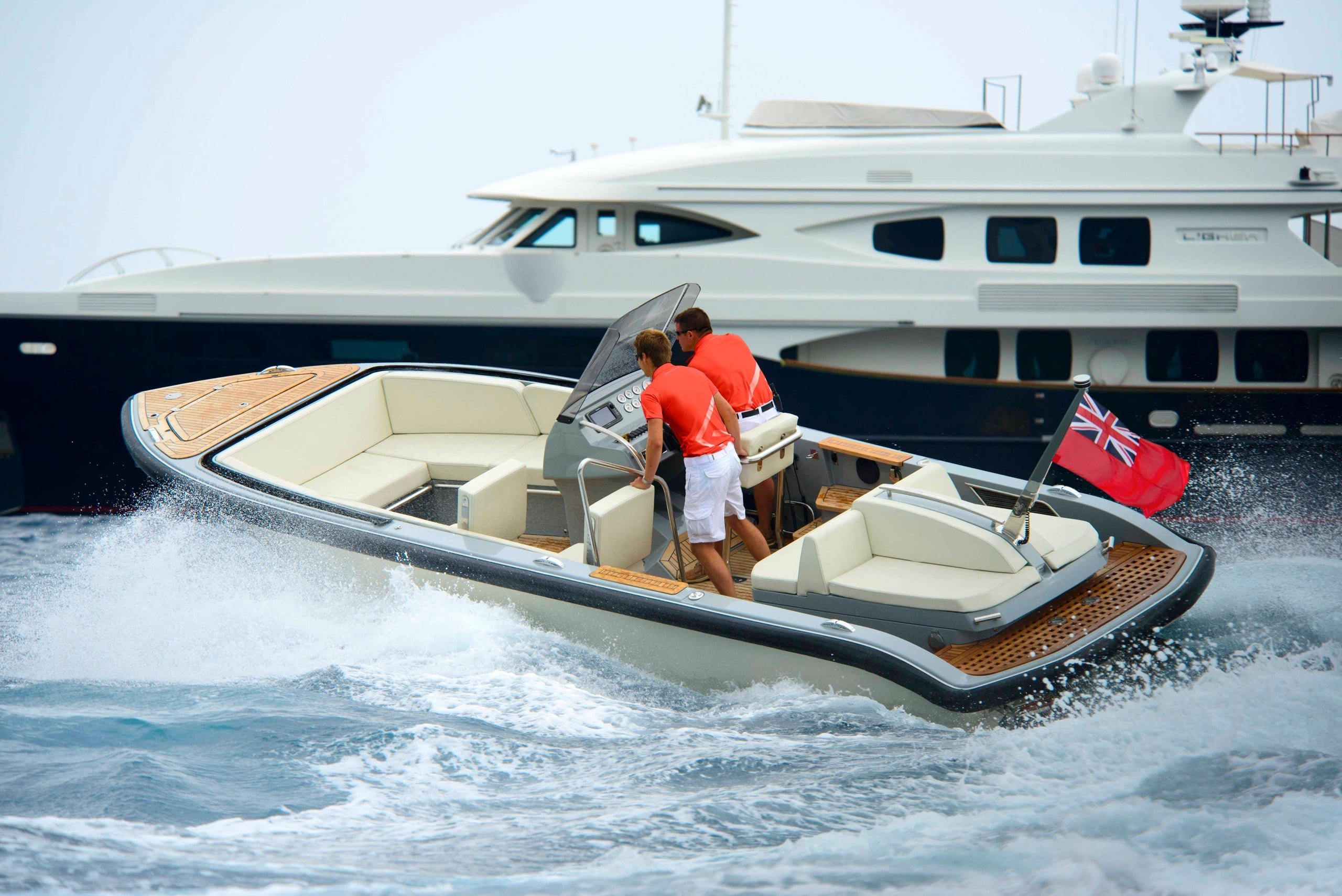
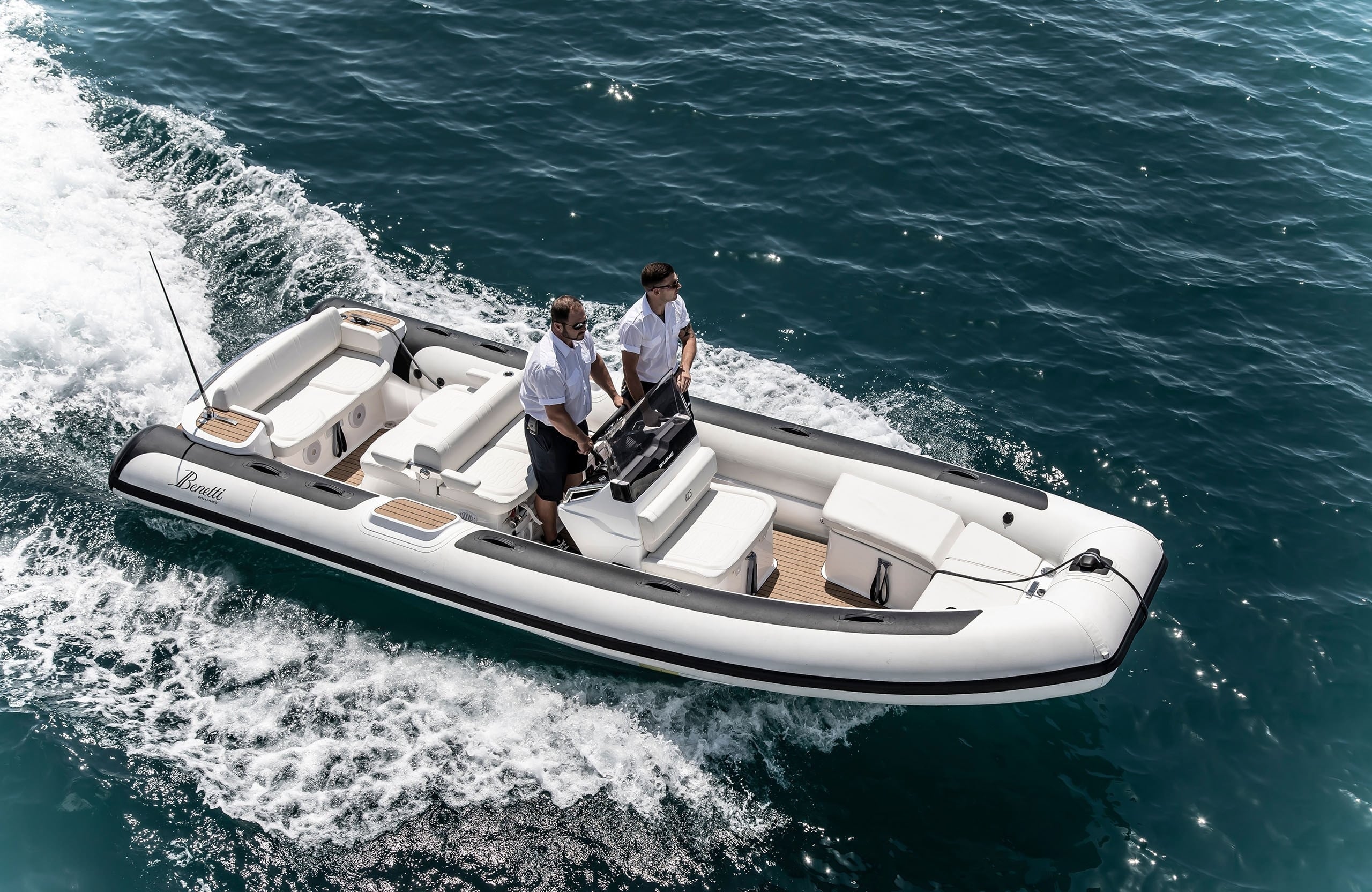
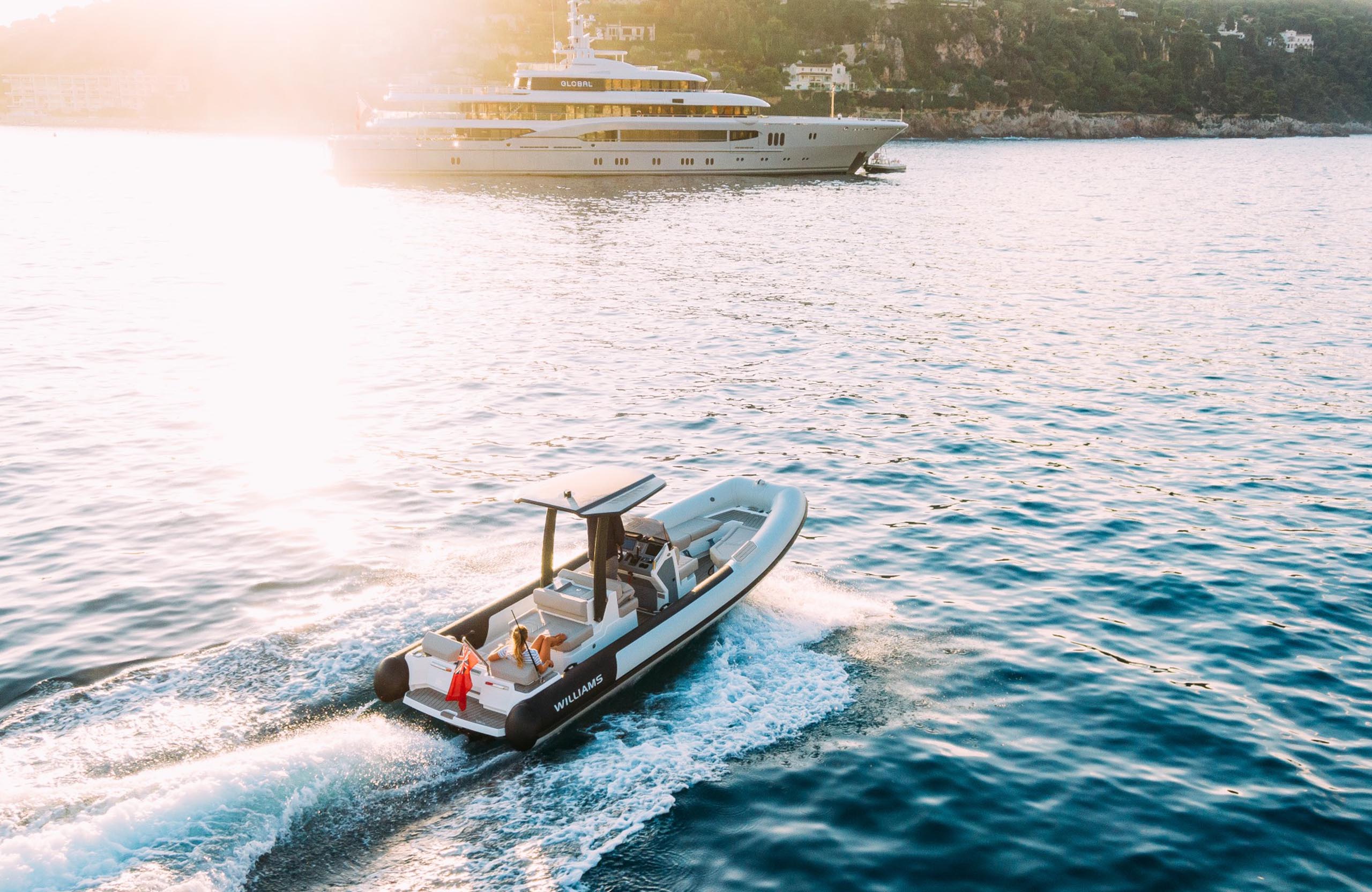
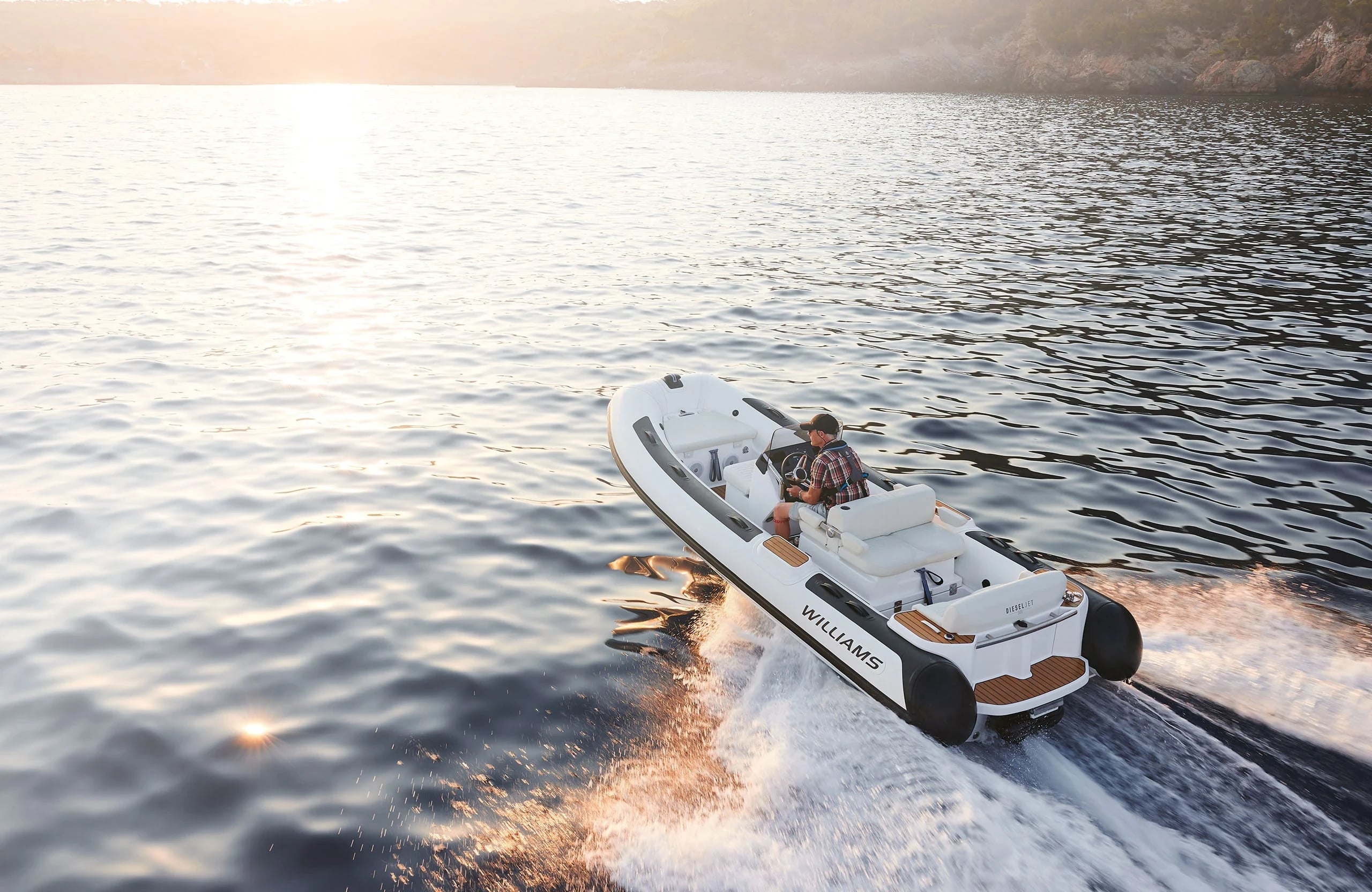
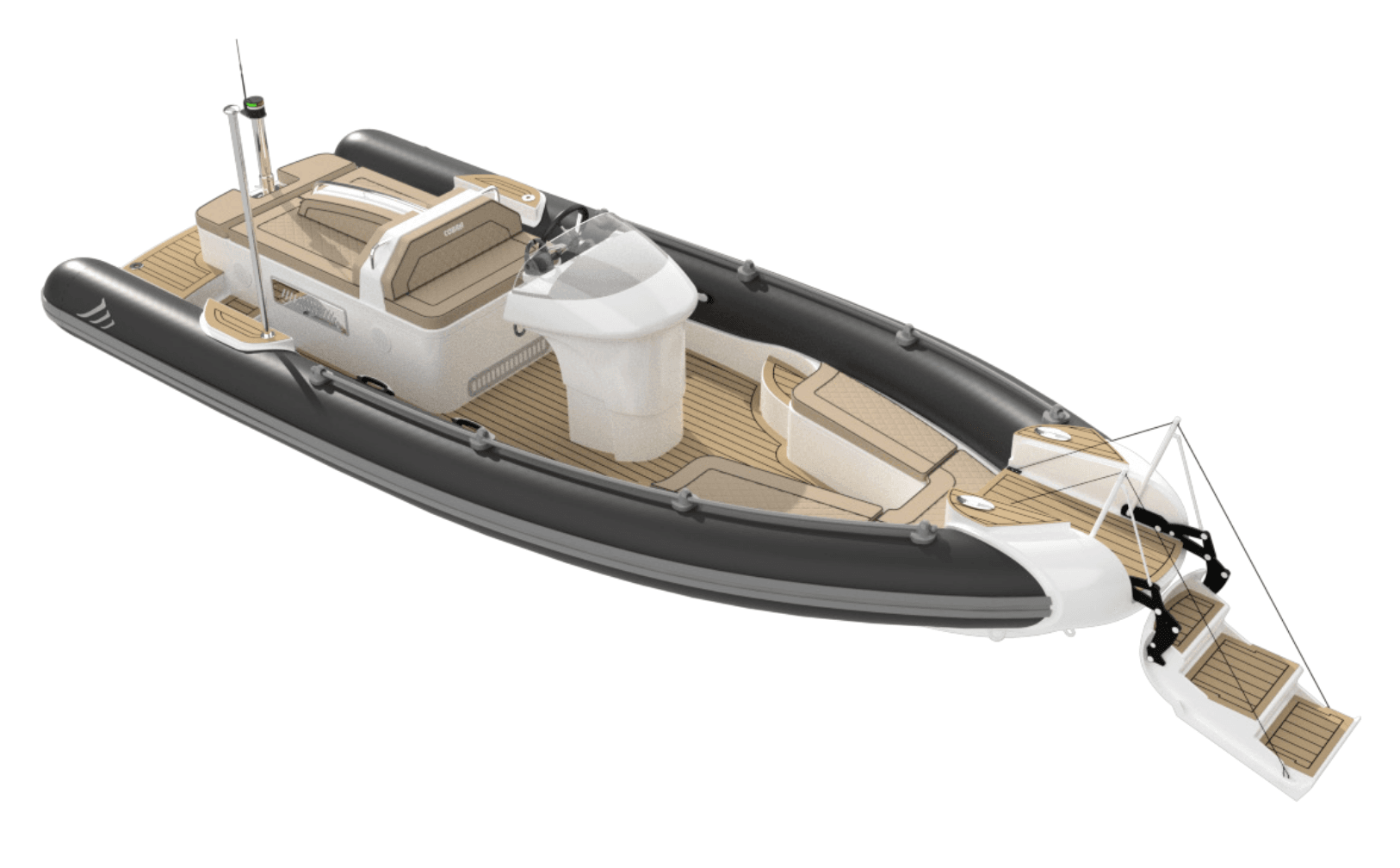
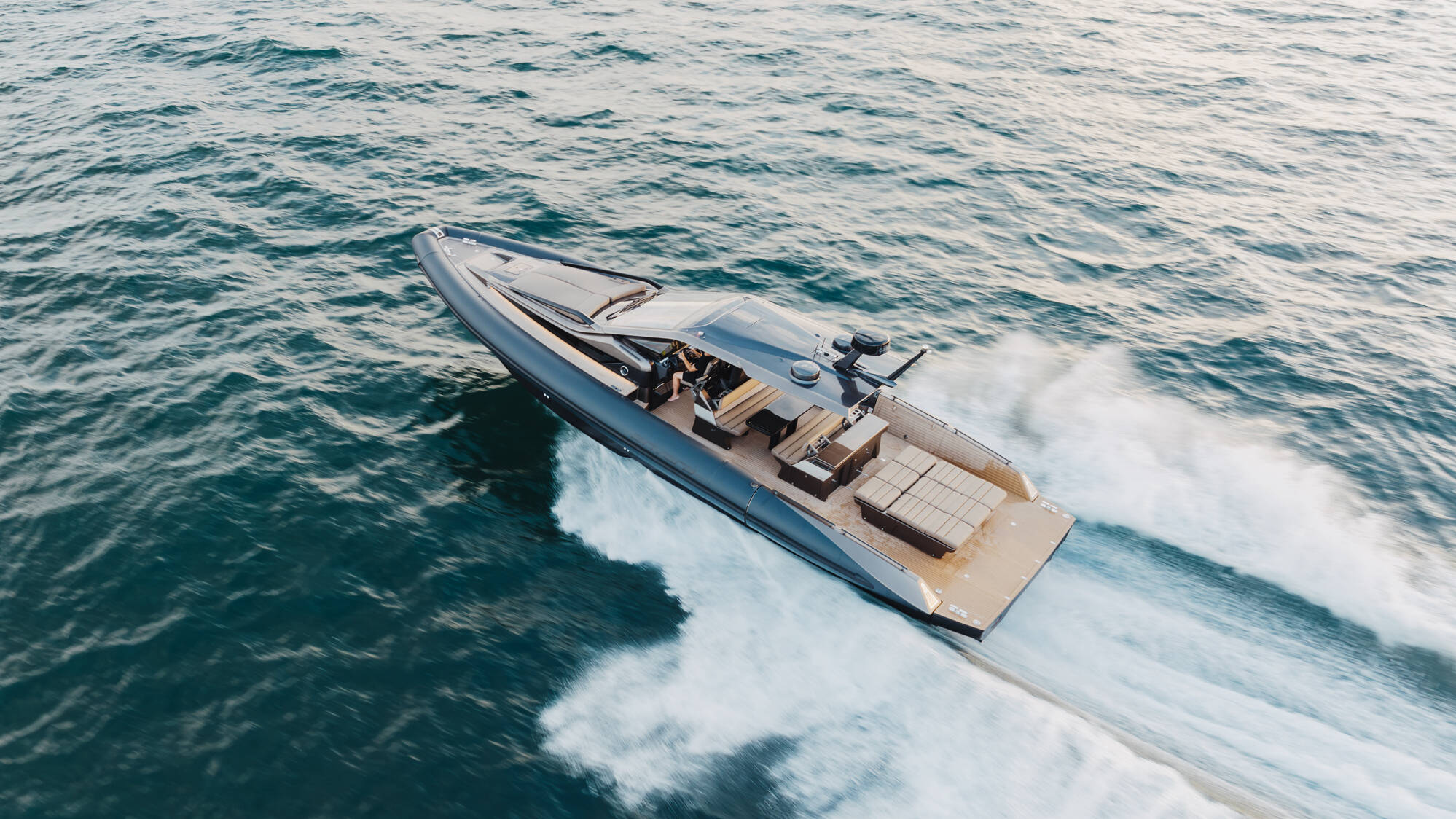
"What tender should we get" is almost always the wrong first question. A superyacht runs a fleet, not a boat: most carry two or three tenders, and the right exercise is deciding the mix, then sizing each to the garage and the mission. This guide sets out how many a yacht needs, the realistic fleet by size with sizing tables and worked examples, and where each asset earns its place. For the categories themselves see the tenders pillar; for the buying sequence, the complete guide to buying a superyacht tender.
How many tenders does a superyacht carry?
Most carry two or three, plus a coded rescue tender above 500 GT commercial. The reason one boat cannot do the job is that the roles genuinely conflict: a dressed, enclosed limousine is the wrong hull for towing a wakeboarder, and a coded SOLAS rescue boat cannot be the boat that takes guests to dinner. The all-in-one tender is the most common and most expensive fleet mistake we are asked to unwind.
The roles a fleet has to cover
Before size, the jobs. A complete programme usually needs to cover:
| Role | Boat | Notes |
|---|---|---|
| Guest transfer, any weather | Enclosed limousine | The most visible asset |
| Watersports and toys | RIB or sport tender | Often the busiest boat |
| Crew, provisioning, utility | Working or crew tender | Frequently on davits |
| Rescue (500 GT+ commercial) | Coded SOLAS tender | Equipment, not a guest boat |
| Range, sport or capacity beyond the garage | Chase boat or support vessel | Lives outside the garage |
What size, by yacht length
The yacht's length is a weak proxy; the garage volume is the real constraint, and garage tenders have actually shrunk over the last 10 to 20 years because the box is fixed while guest expectations grew, per YachtBuyer. As indicative industry guidance, not a rule:
| Yacht LOA | Typical garage tender | Deck-mounted option | Tender capacity |
|---|---|---|---|
| 20 to 25 m | ~3.7 m | larger | 5 to 6 m carries 8 to 10 |
| 25 to 30 m | ~4.7 m | larger | |
| 30 to 40 m | ~5.8 m | up to ~8.0 m | 7 to 8 m carries 12 to 14 |
Treat these as starting points, then size each boat to the actual garage and davit envelope, see tender garage sizing.
The mix by yacht size
Indicative patterns from the briefs we run. Garage geometry and programme always override the rule of thumb.
- 40 to 50 m: usually one or two boats. A limousine or limo-tender for guests, plus a small RIB or crew tender. Often privately registered, so no mandatory SOLAS unit.
- 50 to 70 m: a SOLAS rescue tender on the boat deck under a davit, a limousine in the aft garage, and chase-boat duties absorbed by a boat parked ashore. The SOLAS unit typically costs one of the two flush garage berths.
- 70 to 90 m: a SOLAS unit tucked into a side garage with its own door, a sport or open tender on the boat deck, and a dedicated 14 to 18 m chase boat shadowing the yacht.
- 90 m and up: the SOLAS tender stays on the mothership and the rest of the fleet (toys, helicopter, crew) rides a support vessel; the garage stops being the constraint.
A concrete example of the principle: the 106 m sailing yacht Black Pearl carries three tenders, including a custom Pascoe limousine, per BOAT International. The number follows the programme and the garage, not the flag length.
The SOLAS obligation, and what it costs the fleet
Yachts whose internal volume exceeds 500 GT and that operate commercially must carry a SOLAS-compliant rescue tender, per BOAT International. The fleet consequence is the part owners underestimate: the SOLAS unit is a dedicated berth and often a dedicated davit, it cannot double as the guest boat, and specifying it late forces the guest tender smaller or out of the garage entirely. Lock the SOLAS decision before the garage layout, see SOLAS tender compliance.
The launch and recovery constraint
How the boats get in and out shapes the fleet as hard as the garage box. Davit safe working load caps the heaviest boat; garage door aperture and crane sweep cap the largest; weight stored high on the boat deck affects handling. The launch system is a primary input to the fleet plan, not a detail to resolve afterwards, see davit systems and launch and recovery.
Where the garage runs out
The recurring trigger for a chase boat or support vessel is the garage filling up. By the time the spec includes a 14 m limousine, an 11 m beach lander, two RIBs, three jet skis and a watersports box, a 60 to 90 m garage is full. The next asset is then a question of distance and crewing: a chase boat for coastal day-running, a support vessel for ocean repositioning with its own crew. The chase boats explained guide runs the five-question test for which; this guide does not duplicate it.
Building the brief
- List the roles the programme actually has (guest, sport, crew, rescue, range), not the boats.
- Confirm the garage envelope, the davit SWL and the SOLAS obligation, since all three bind hard.
- Assign one boat per primary role; resist the all-in-one.
- Decide what lives in the garage, on the boat deck, ashore, or on a support vessel.
- Shortlist and compare the candidates for each slot.
The best superyacht tenders guide covers which builders lead each category, and the comparison tool puts specific boats side by side. Tell us the mothership and the programme and we will build the fleet brief from the owner's side.