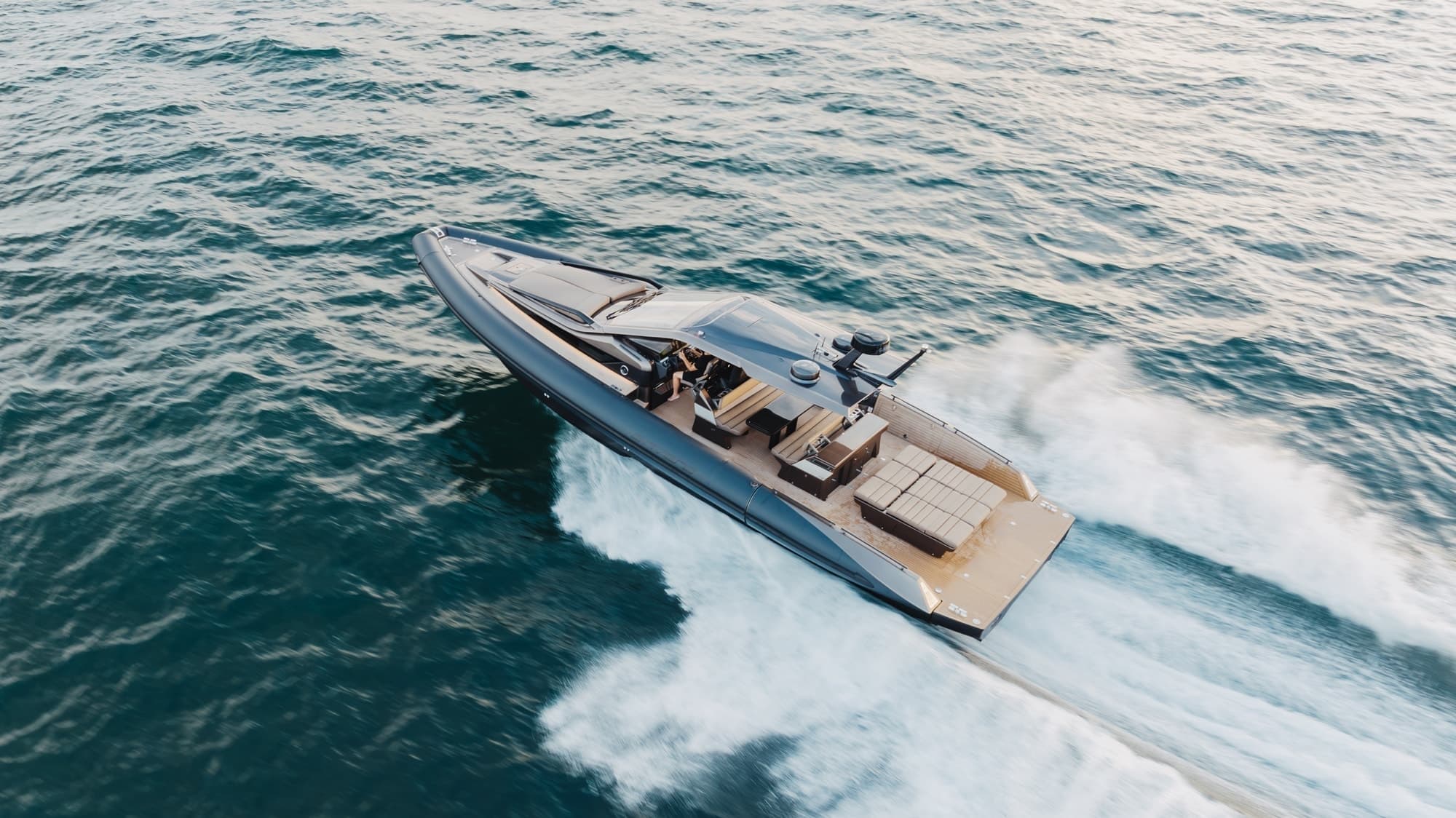
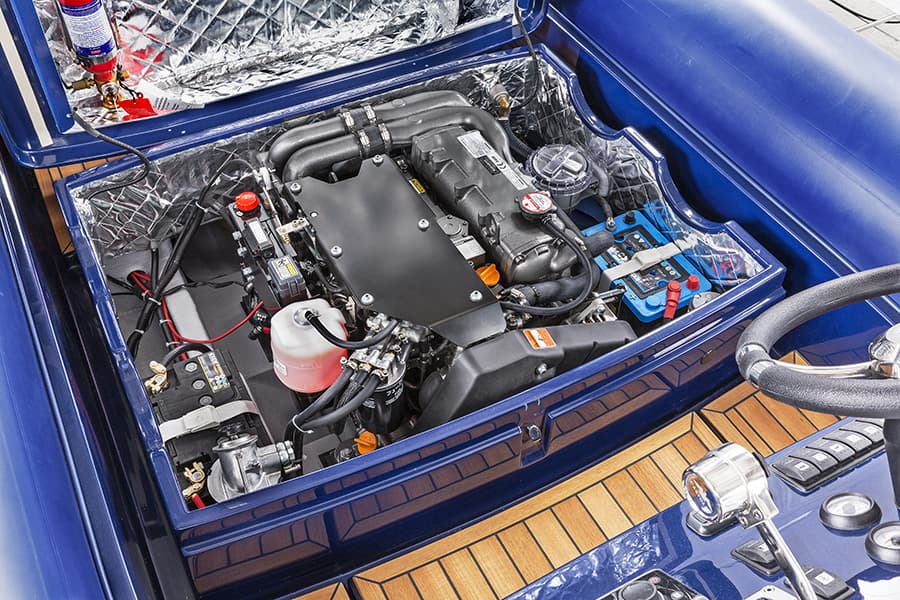
Planned mid-life refresh
Five-to-eight years in, the tender is mechanically sound but cosmetically dated. Gel coat is fading, electronics are two generations behind. Refresh, not re-engineer.
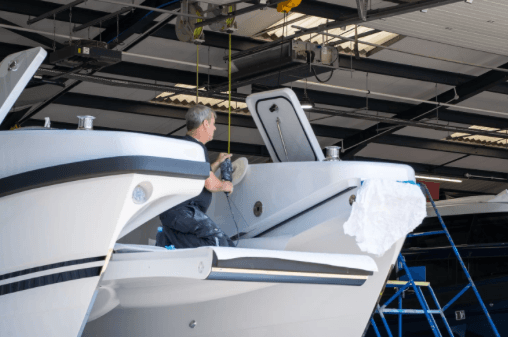
Service
We run the tender refit on the owner's or captain's behalf, sitting between the yacht programme and the yard. Tender-focused throughout: launch-and-recovery, certification, spec-sheet detail.
Engagement
A structured walk-through of the tender with the captain or chief engineer. We agree what is in scope, what is deferred, and what must wait for the next refit.
We recommend yards from our shortlist for the location, scope, and budget. The destinations directory and tender refit guide cover the recurring options.
A written technical specification, fixed-price quotation where the scope allows, and a signed contract with milestone payments and a defects period.
Weekly site visits, photo-log reporting to the owner's team, and immediate escalation on any change-order request.
We attend trial, witness the snag-list close-out, and sign off the warranty start date.
Documentation pack, classification renewals, and re-registration if the work has triggered a change of category.
Triggers
Five-to-eight years in, the tender is mechanically sound but cosmetically dated. Gel coat is fading, electronics are two generations behind. Refresh, not re-engineer.
Propulsion change, re-power, or significant structural modification. The certification basis can shift; a small change in LWL or displacement can trigger a re-survey.
Grounding, fire, sinking, or impact damage where the insurer is paying and the work is contested between yards. We act for the owner.
The work is specifically tender-focused. We know the launch-and-recovery interface, the certification implications of a structural change, and the spec-sheet detail that determines whether a refit is a refresh or a re-engineer.
The decision-shaped problem most owners face is whether to refit at all. A re-power on a ten-year-old open tender can cost more than the residual value of the boat after the work; a gel-coat refresh on a fifteen-year-old limousine can land a usable boat for half the cost of replacement. Where the answer is "replace not refit", we say so and hand off to sourcing.
Damage-driven refits are a particular category. The contractual position is usually messy by the time we are involved. Insurer, owner, yard, and original builder are all in the room with different incentives. Our role is to act for the owner, not the insurer or the yard, and our involvement typically pulls the project back to a defensible scope and a defensible cost.
Talk to us
Send the mothership, the programme, and the role you need filled. A response follows within 48 hours.